Patterns for Backgrounds, Textiles: Beyond the Fabric
I really love to draw, and there's a specific kind of magic in translating that love into a repeatable motif. It's not just about a single image; it's about creating a world that can wrap around an object, fill a screen, or become a piece of a larger visual story. This is the essence of a truly effective design asset. Today, I want to talk about a set of seamless patterns that embodies this idea perfectly—a collection of Patterns for Backgrounds, Textiles that feels both personal and incredibly versatile. These aren't just random doodles; they are a cohesive visual language, a modern typography of shape and color designed to inject personality into your projects.
The Anatomy of a Versatile Seamless Pattern
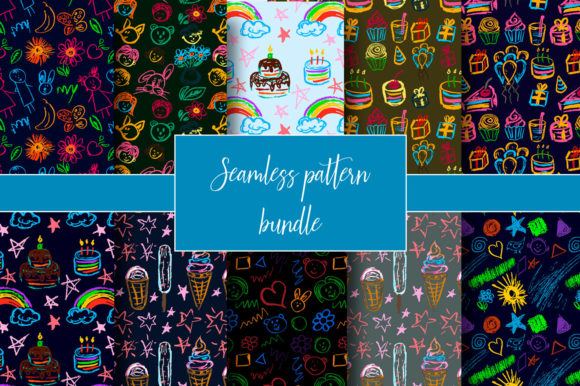
What makes a pattern set like this so valuable? It starts with the visual characteristics. These are described as "cute stylish" wax crayon illustrations, which immediately suggests a few things: a hand-crafted, slightly imperfect texture that feels human and approachable, a playful yet sophisticated style, and a warmth that digital-only graphics often lack. The personality is friendly, creative, and inviting. It’s the kind of aesthetic that feels right for a children's brand but, when used thoughtfully, can bring a surprising edge to a tech startup's social media or a boutique's packaging. The appeal lies in this duality—it’s familiar yet fresh.
The real strength of a premium font or pattern set is its application across different mediums. This is where the included files become critical. Having 10 vector EPS10 files means the patterns are infinitely scalable. You can use them for a massive storefront banner or a tiny icon without losing an ounce of quality. This is non-negotiable for serious logo design or packaging design where clarity is paramount. The 10 high-resolution JPGs at 4000x4000px are your workhorses for digital and print—perfect for a website hero image, a social media post background, or a full-bleed poster. The read me file with font and mockup links is the thoughtful touch of a professional; it ensures you can recreate the showcased style, maintaining brand identity consistency if that's your goal.
Where This Pattern Set Truly Shines
Let's move beyond the obvious textile applications. Yes, these are patterns for backgrounds, textiles and would make stunning tapestries, canvas bags, or apparel. But their utility is far broader. Think about web design. A subtle, scaled-down version of one of these patterns could make a fantastic, non-distracting background for a blog or a product page, adding depth without competing with your content. For editorial design, imagine a magazine feature on creativity or family life using a segment of a pattern as a pull-quote background or a section divider. It adds a layer of visual interest that stock photos simply can't match.
For the entrepreneurs and small business owners in the audience, this is a toolkit for brand perception. A consistent visual style builds recognition. You could use a specific pattern from this set across your social media graphics, your product hang tags, and your thank-you notes. This creates a cohesive, memorable experience for your customer. It’s a form of modern typography—using pattern as a type of visual voice. The "cute stylish" vibe might position your brand as approachable and creative, perfect for a craft supply shop, a bakery, or a boutique consultancy that wants to feel human-centric.
Practical Guidance for Implementation
So, how do you choose and use a resource like this effectively? First, evaluate the project fit. Does the playful, hand-drawn aesthetic align with your brand's voice or the project's tone? It might be perfect for a children's book cover but less so for a corporate finance report. Test the patterns in context. Don't just look at the swatch. Use the provided mockups or place the pattern into your own layout. See how it interacts with your text, your logo, and your other design assets. Is it overwhelming or supportive?
Next, consider font pairing. The success of a pattern often depends on what you put on top of it. A bold, clean sans serif font might create a pleasing contrast with the organic, textured pattern. A delicate script font could complement the hand-crafted feel. The key is balance; you want the pattern to enhance, not compete with, your message. Finally, understand the commercial licensing. The description mentions use for prints and stickers, which typically implies a commercial license for the end product. Always double-check the specific terms, but this appears to be a resource designed for creators who intend to sell their work, making it a truly commercial font asset for pattern-based products.
In the end, a great set of patterns is like a great typeface—it's a tool that empowers your creativity. It solves visual problems, establishes tone, and saves you countless hours. This collection of Patterns for Backgrounds, Textiles offers that blend of whimsy and utility that can elevate a project from mundane to memorable. It's not just a background; it's a starting point for a story. Whether you're designing a t-shirt, building a brand kit, or crafting a presentation, having a versatile, high-quality pattern library in your arsenal is a game-changer. It’s about bringing that love of drawing into a format that works as hard as you do.